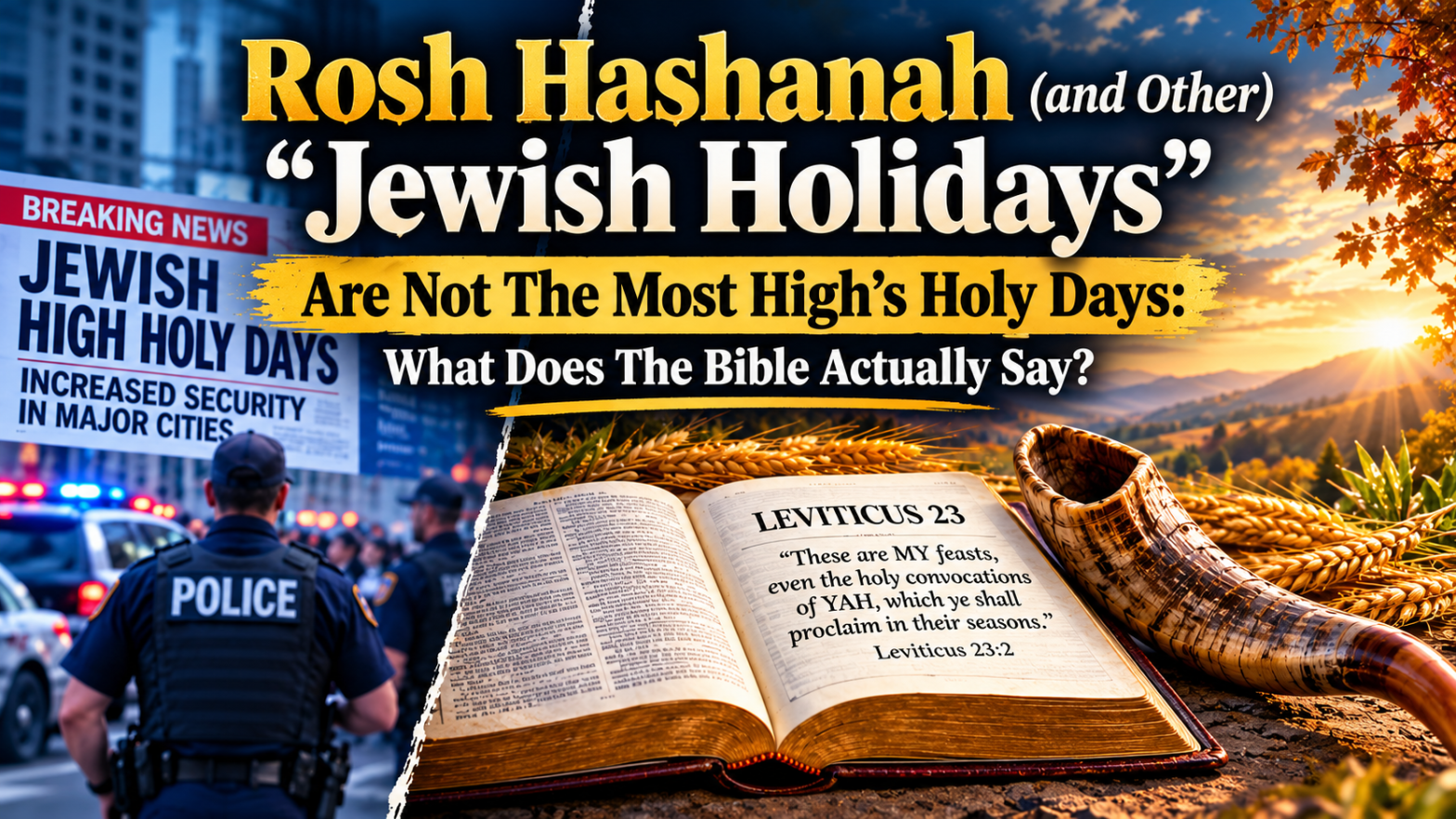
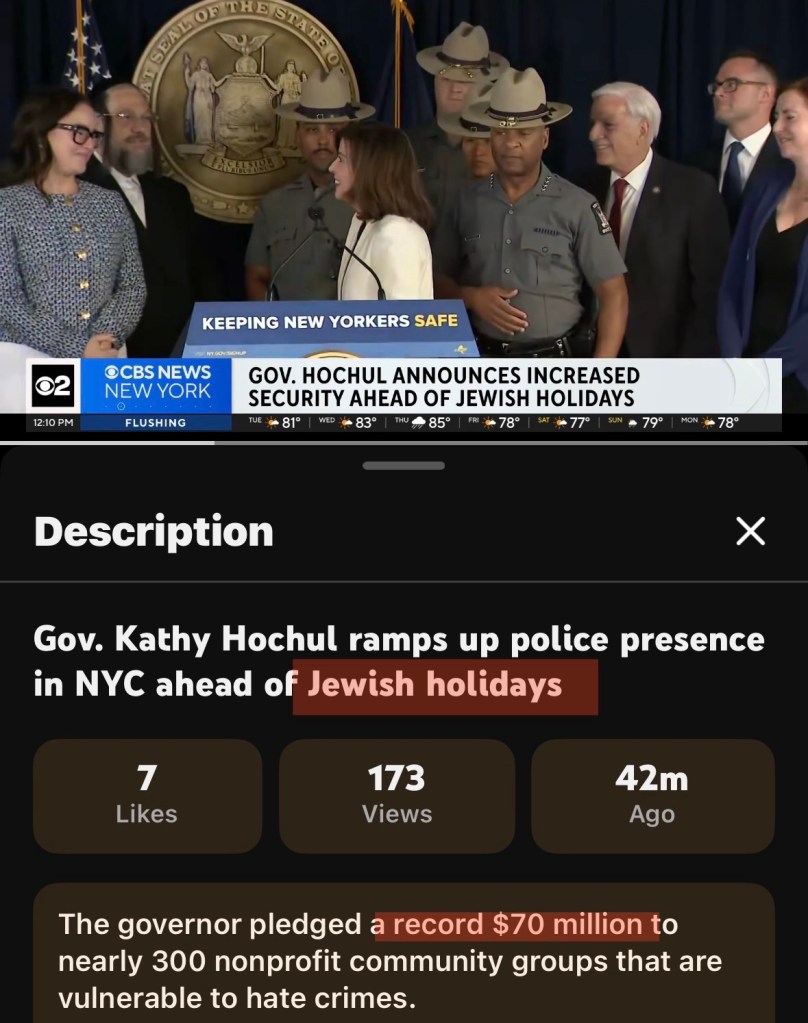
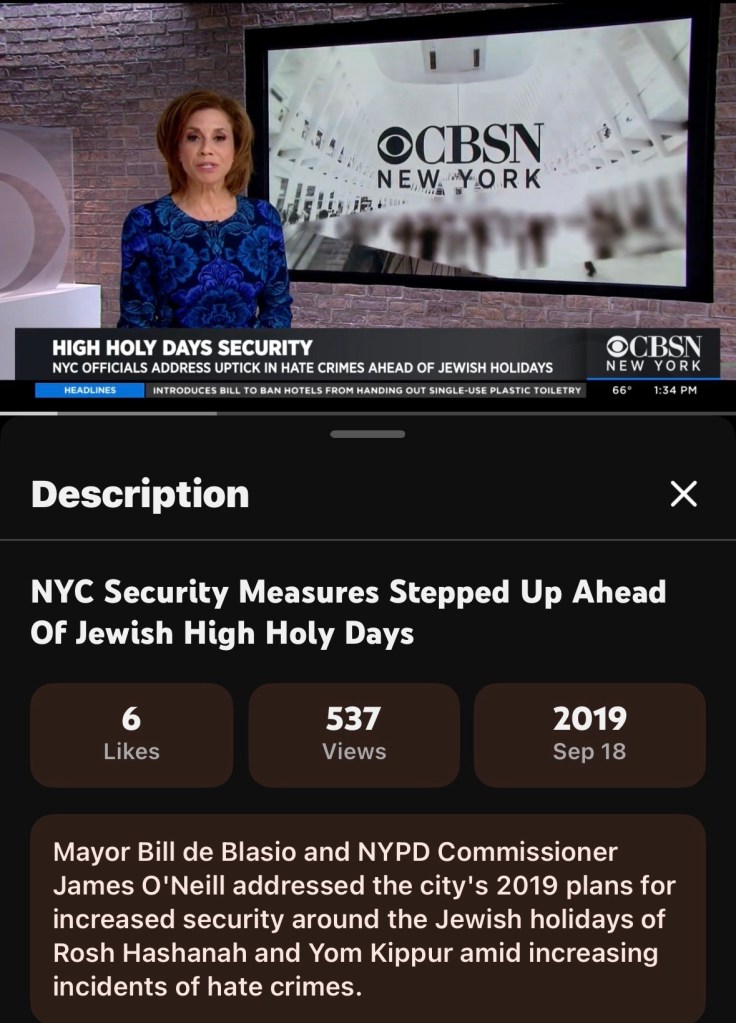
Every year (around this time), we see the same kinds of headlines about preparing for and celebrating the “Jewish High Holy Days.” We see reports about Rosh Hashanah and Yom Kippur, notices about security updates at Jewish schools and synagogues. Unfortunately, because of the very real threat of increasing violence everywhere, we also see millions of dollars in additional security resources devoted to protecting particular communities during this season.
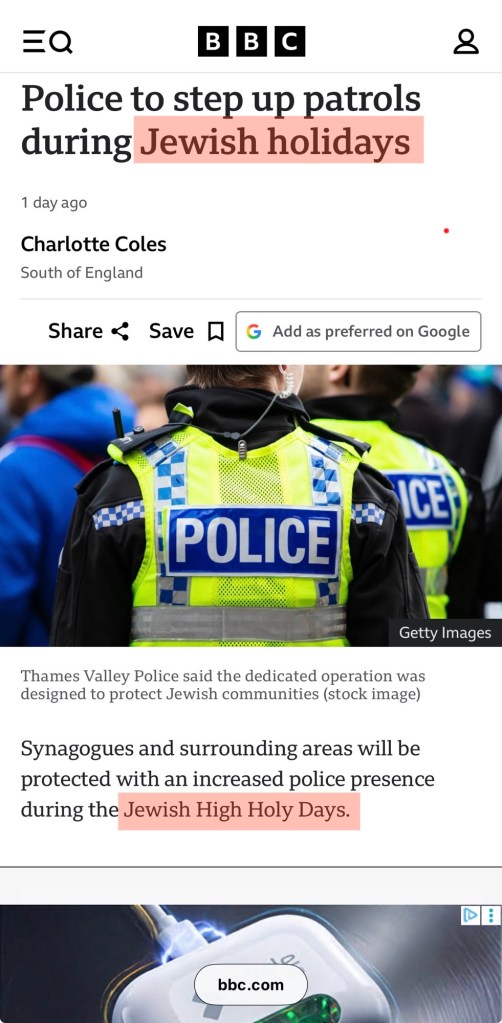
And before anybody misunderstands where I am going with this, let me say plainly that nobody should be attacked, threatened, or made to fear for their safety because of their so-called race or religion — especially here in the USA or any other nation that proclaims liberty, justice, and tolerance for all. That is not the point of this conversation.
The point is that there is an important Biblical clarification that continues to get lost every year when these seasons come around:
The Biblical Fall-time Feasts, aka holy days/holidays, are not “Jewish holy days.”
According to The Bible, these holy days and seasons are The Most High YAH’s Holy Days and Seasons! Yes indeed, these are the appointed times that The Most High gave to the children of Israel, and Scripture is very clear about that before it ever begins listing the individual feast days, especially in one particular chapter that everyone who claims to love the Bible should be familiar with. In Leviticus 23, YAH tells Moses:
“Speak unto the children of Israel, and say unto them, Concerning the feasts of YAH, which you shall proclaim to be holy convocations (gatherings/assemblies for worship), even these are MY feasts.” — Leviticus 23:2
That statement really should settle the question of ownership before we go any further. These Feast Days don’t originate with Judaism. They don’t originate with Christianity. They don’t even originate with Hebrew Israelites. They originate with The Most High YAH, who gave them to the children of Israel.
Again, for good measure: YAH did not call them Jewish feasts. He did not call them Christian feasts either. He called them MY feasts, and He commanded Moses to speak concerning them to the children of Israel. That fully understood distinction matters, because today, when someone hears Pesach/Passover, Yom Kippur/Day of Atonement, Sukkot/Tabernacles, etc…. referred to as “Jewish holidays,” they normally assume those holidays originate with Judaism.
Well… the designation of the first day of the seventh month as “Rosh Hashanah,” and its observance as the Jewish New Year, comes from later Jewish tradition — not from the Torah’s instructions concerning that day. And hopefully you are starting to get my point.
We also reject how Christianity comes along and, in many cases, teaches its followers that these are all just “Jewish holidays” that followers of The Messiah/Christ do not need to concern themselves with anymore.
Both teachings are connected to the same faulty premise: that these days originated with a later religion rather than with YAH Himself. Before later religious traditions assigned additional names, meanings, and practices to these appointed times, YAH had already spoken.
“These are MY feasts.”
At the beginning of Leviticus 23.
Then we read this in verse 4:
“These are the feasts of YAH, even holy convocations, which you shall proclaim in their seasons.”
And then, as the chapter continues, we see YAH say this repeatedly about how long and where we are to keep His holy days:
“… It shall be a statute forever throughout your generations in all your dwellings.” — v. 14
“… It shall be a statute forever in all your dwellings throughout your generations.” — v. 21
“… It shall be a statute forever throughout your generations in all your dwellings.” — v. 31
“It shall be a statute forever in your generations…” — v. 41
We are called to keep, guard, and observe The Most High YAH’s appointed feast days throughout our generations and in our dwellings, according to Scripture and to the best of our ability — till this day.
The Start of the Year
That is where we should all begin as Bible believers: with what Scripture actually says. One of the clearest examples of how religious tradition has changed the way people understand YAH’s appointed times is by testing that which is commonly called Rosh Hashanah.
Rosh Hashanah means “head of the year,” and today it is widely celebrated as the “Jewish New Year.” But when we go back to Torah and read YAH’s actual instruction concerning the first day of the seventh month, Scripture does not call that day Rosh Hashanah.
YAH says:
“In the seventh month, in the first day of the month, shall you have a sabbath, a memorial of blowing of trumpets, an holy convocation.” — Leviticus 23:24
And Numbers tells us:
“And in the seventh month, on the first day of the month, you shall have a holy convocation; you shall do no servile work: it is a day of blowing the trumpets unto you.” — Numbers 29:1
The day is connected to Teruah — the blowing, sounding, shouting, or making of an alarm. We commonly refer to it as Yom Teruah, The Day of Trumpets or Day of Shouting.
What we do not read in those instructions is YAH saying, “This is your New Year.”
That is especially important because YAH had already told Israel when the year begins. Before the children of Israel left Egypt, YAH told Moses and Aaron:
“This month shall be unto you the beginning of months: it shall be the first month of the year to you.” — Exodus 12:2
And Scripture identifies that month for us:
“On this day you are going out, in the month of Abib.” — Exodus 13:4
So when we simply allow Scripture to speak for itself, the problem becomes obvious… How did the seventh month become associated with the beginning of the year when YAH had already identified Abib as the beginning of the year?
The answer, of course, is that YAH did not change His calendar; rather, later man-made traditions assigned a New Year designation to the seventh month.
It reminds me of this admonition from The Messiah:
“Why do you also transgress (break) the commandment of YAH because of your tradition?” — Matthew 15:3
And this is something that later Jewish historical and rabbinic sources themselves also recognize. The Torah does not call the first day of the seventh month Rosh Hashanah, nor does Torah identify it as the beginning of the Biblical year. The designation of the first day of the seventh month as a New Year became established later in rabbinic Judaism.
Now somebody may respond, “But Judaism has several different new years.” And that is true. Later Jewish tradition recognized several different “New Years” for different purposes. But that brings us right back to the question Bible believers always have to ask:
What did YAH say?
The fact that later Jewish tradition assigns “new year” significance to the first day of the seventh month does not establish that the Torah itself identifies that day as the beginning of the Biblical year. There is nothing wrong with researching and testing what later religious traditions teach. I actually think we should understand those traditions, especially when they have influenced the way people now read Scripture.
But… understanding a tradition and accepting that tradition as though it came from YAH are two different things. If YAH says Abib is the beginning of months, the first month of the year, then I need a Scripture showing me where He changed that instruction before I accept something else as His command. I cannot find one, nor will you be able to. Nowhere in the Bible do we find YAH saying, “Abib was the first month, but now the seventh month will become your New Year.”. Nor do we find Moses, the prophets, The Messiah, or the apostles teaching that the seventh month replaced Abib as the first month of the Biblical year.
What we do find is later religious tradition developing around the day. And that is precisely why we have to be careful. Tradition has a way of becoming so familiar, so strong, that after enough generations people stop asking where it came from. Eventually, man-made traditions can become better known, and better kept, than the Biblical instructions themselves.
Ask Around
Ask the average person what Rosh Hashanah is and they will likely answer, “The Jewish New Year.” Ask that same person what Yom Teruah is, and you will likely get a blank stare. That contrast should at least make Bible believers stop and ask why the later traditional name has become so familiar while the Biblical terminology has become comparatively unfamiliar.
How did the later traditional designation become widely known while the day that YAH actually commanded became unfamiliar? Again, this is exactly the kind of thing The Messiah warned us about when He said:
“Thus have you made the commandment of YAH of no effect by your tradition.” — Matthew 15:6
And it should also remind you of what Paul said:
“For the time will come when they will not endure sound doctrine, but according to their own desires, because they have itching ears, they will heap up for themselves teachers; and they will turn their ears away from the truth, and be turned aside to fables.” — 2 Timothy 4:3-4
And that warning is not something we should point only at Judaism. Christianity needs to hear it. Everyone needs to hear it. Because all of us have the ability to inherit traditions, create traditions, become comfortable with traditions, and then defend those traditions simply because they are old and familiar. That is why The Word has to remain The Standard.
And Just In Case…
Another passage might come up in a discussion, and I think it is worth mentioning because somebody might eventually point to Ezekiel 40:1 and say, “But Rosh Hashanah is in The Bible.” Ezekiel does in fact use wording that is understood as “the beginning” or “head of the year”:
“In the twenty-fifth year of our captivity, in the beginning of the year, on the tenth day of the month…” — Ezekiel 40:1
(FYI, Ezekiel was actually recounting what happened to him on the “10th of Abib” that year, we cover that in a different blog, which is linked later on.)
Look carefully at that Ezekiel 40:1 again, and understand the context, (additionally, you can consider what is said in Ezekiel 45:18-25). Ezekiel 40:1 is speaking about the 1st month, the beginning of the year(the literal rosh hashanah), while the Jewish holiday which is commonly and erroneously called “Rosh Hashanah”, is now observed on the 1st day of the 7th month. Simply finding the words that mean “head of the year” (rosh hashanah) in a sentence, does not establish it as a Biblical fall feast of Rosh Hashanah — Context matters.
When we slow down and actually read what is written instead of allowing popular religious terminology and doctrines to do our studying for us, something righteous happens… We are able to see the first day of the seventh month the way Scripture presents it.
An Historic 1st Day of the 7th Month.
One of my favorite examples is found in Nehemiah 8. On that first day of the seventh month, Ezra brought the Torah before the assembly. The men were there, the women were there, and every child who could understand was there. The Torah was read publicly, the people listened, and understanding was given concerning what was being read. When the people heard and understood the Torah, they began to weep. But Nehemiah, Ezra, and the Levites told them:
“… This day is holy unto YAH your Elohim; do not mourn nor weep.” — Nehemiah 8:9
Then they told the people:
“Go your way, eat the fat, and drink the sweet, and send portions unto them for whom nothing is prepared… for this day is holy unto our Master. Do not be sorry, for the joy of YAH is your strength.” — Nehemiah 8:10
This historic account gives us such a great picture for multiple reasons, and especially for our topic at hand. People today often quote the ending of that verse, while missing or ignoring the reason & season of what was happening during the time that our now-famous saying was spoken — “The joy of YAH is your strength!” The people gathered, The Torah was read, understanding was gained. Their hearts were moved by what they heard. They were told to eat, drink, and be merry, and to share the feast with those who had nothing prepared, because that 1st day of the 7th month is holy unto YAH and one of His feast days!
And nowhere does Nehemiah stop and announce, “Happy New Year y’all!” 😂
The holiness of that day is not based on it being a New Year celebration. The day is set-apart/holy because YAH made it so. That is the distinction I want us to recover and guard. It is YAH’s set-apart day! And this is part of a much larger issue when it comes to YAH’s appointed times.
The world is taught to categorize Yom Teruah, Yom Kippur, and the other Holy Days of YAH as “Jewish holidays,” while at the same time, many of us grew up blissfully observing Christmas, Easter, Halloween, Valentine’s Day, New Year’s Eve, and a whole calendar full of other world holidays without ever asking where YAH commanded them to be kept.
Then, if you open Leviticus 23 and begin learning about the actual days The Most High says are His, and you tell others about it, suddenly the responses from most will be something like: “Oh, those are Jewish holidays. You dont have to worry about celebrating them…”
But, you now see the problem, right? We were trained to accept, celebrate, and protect holidays which YAH never commanded, while at the same time rejecting the Holy Days He actually did command us to keep and celebrate, all because a people placed other traditions and religious labels above them.
That should trouble anybody who says the Bible is their authority. And that is why I have written multiple times before about the difference between YAH’s Holy Days and the holidays of the world. If you are new to this subject, I encourage you to also read my blog “Ways To Keep The Biblical Holidays—YAH’s Fall-Time Feasts,” as well as “Counting Time YAH’s Way: Understanding the Biblical Calendar.”
Those conversations go deeper into how YAH established His appointed times, how Scripture identifies the months, and how those of us returning to His Word can begin learning to guard these days according to what is actually written.
Because this is bigger than changing the name of one holiday (Yom Terurah to Rosh Hashanah). This is about returning to YAH’s instruction (Torah), and His way & order. From the beginning, YAH gave the lights in the heavens for signs, seasons, days, and years. He established months. He identified the start of the year. He appointed His set-apart High Holy Days, His Feasts & Festivals: Passover, Unleavened Bread, Weeks, Trumpets, Atonement, and Tabernacles.
YAH gave His people the cycle of work, rest, remembrance, rejoicing, harvest, humbling, atonement, gathering, and teaching future generations. His calendar means a lot, His calendar matters. And many of us are only now learning to follow it after generations of misinformation, confusion, captivity, assimilation, Christianity, Judaism, dysfunctional cultural traditions, and simply being ignorant of what our Bible actually says.
What We Should Do
We are going to have questions as we learn. We will stumble and make mistakes. There may even be details concerning the calendar that sincere Torah keepers continue to study and discuss, and still get wrong. But… I would rather see somebody opening the Bible and sincerely trying to return to YAH’s appointed times than simply accepting a religious calendar because somebody told them, “This is what we have always done.”
That is why I always say: Read YAH’s Word for yourself. Study and test everything — hold on to what is good. Do not trust your own understanding or anyone else’s over the foundational instructions and understanding found in Torah. In all of Scripture, when we come to the first day of the seventh month, we cannot find YAH commanding Israel to celebrate a Jewish New Year. What we find is a day of Teruah, a holy convocation, a memorial, a day YAH Himself appointed and set apart.
So when our family and we prepare for Yom Teruah, we are not trying to convert to Judaism. When we humble ourselves for the Day of Atonement, we are not following Jewish practices. When we build our temporary dwellings and rejoice during Sukkot, we are not celebrating “Jewish holidays.” We are doing our best to seek The Kingdom of YAH, by returning to what YAH instructs in His Word.
Now, historically, Jewish communities did preserve some Torah-related observances through centuries when most Bible believers largely rejected them. That history should be acknowledged. But preserving something does not change who originally established it.
Forever remember that YAH already told us whose days they are when He said
“These are MY feasts.”
And that brings us back to the start of our conversation and the headlines which we see every fall. When the media says “Jewish High Holy Days,” we understand what they mean today… Today these days are strongly associated with Judaism and Biblical misconceptions, and that is how the world identifies them.
But Bible believers should know the truth and history behind the terminology. Long before Judaism and Christianity. Long before the so-called Mishnah and Talmud — YAH had already spoken to His children. So no, family, when we approach the first day of the seventh month, we are not preparing to celebrate Rosh Hashanah as the Jewish New Year. We are preparing to remember Yom Teruah, and we are preparing to enter YAH’s fall appointed times. They are His Holy Days, His holy convocations.
And if we proclaim that we are Bible believers and followers of The Messiah, then we have to understand that the Bible — not Judaism, not Christianity, not popular culture, and not simply what we inherited and love — tells us what is Biblical and pleasing to our Heavenly Father.
And always… Don’t believe something merely because I wrote it either, as my grandfather often says “Trust no man!”Open The Book, Read, and Study:
- Leviticus 23.
- Exodus 12 and 13.
- Numbers 29.
- Deuteronomy 16.
- Nehemiah 8.
Then ask yourself what YAH actually said. Who established these days? “When did YAH put an end to them? What did YAH call them? When did YAH say the year begins? And which things that are now associated with these days actually come from Scripture, versus things that came later through man-made tradition?
Those are questions every Bible believer should be willing to ask.
Family: Read The Word of The Most High YAH. Learn His appointed times. Guard what He commanded. Then, teach your children to do the same. And whenever any tradition, Christian, Jewish, Hebrew Israelite, or otherwise — works against what YAH has actually spoken, choose The Word every time! Remember The Messiah’s admonition:
“You have made the commandment of YAH of no effect BY your tradition.”
Matthew 15:6
I implore you, humbly ask The Father for His instruction, understanding, guidance, and discernment; and renew your mind, reconcile your heart, and follow His ways. May YAH give you His shalom and wisdom family.
Until next time, shalom ✌🏾
~Yahrahn
Like, comment, share, and subscribe
If you would like to donate:
Cash App: $Yahrahn https://cash.app/$Yahrahn
PayPal: @Yahrahn https://www.paypal.me/Yahrahn
